Why the "Comanche" Name?
The story of Comanche is one of tenacity and bravery. He was a warrior we all aim to emulate. Comanche was tough, brave, and reliable to his Captain. Like the warriors we aim to support, we believe our brothers and sisters also aim to be resilient, tenacious, and brave. While some of us find this more easily achievable in battle - whether in theater or on our community streets - we realize that oftentimes these goals become burdensome “at home”. Comanche Outdoors is committed to assisting our servicemembers, veterans, and first responders through recreational therapy. Together, we offer opportunities to sharpen cognition and reduce stress, depression, and anxiety. Like Comanche, we all can be restored.
- 1868Purchased in Texas
- 1868Named by Capt. Keogh
- 1876Little Bighorn
- 1891Died at Fort Riley
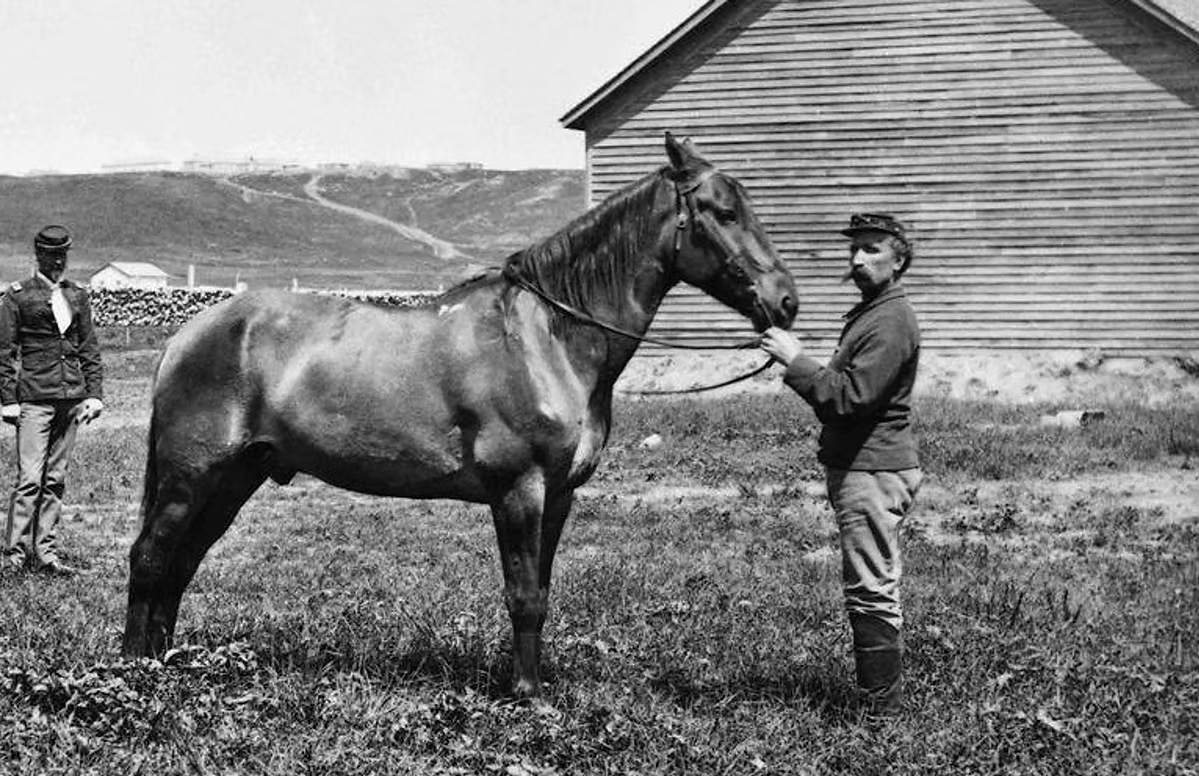
In the 1850s, the United States military had a small cavalry. With the understanding that horses would be critical to westward expansion, leaders had the authority to purchase horses whenever they could. An area in Texas known as the Great Horse Desert was a popular area to round up wild mustangs and this is where the horse known as Comanche would come from. He was purchased with about 40 others by First Lieutenant Tom W. Custer, the brother of Lieutenant Colonel George Custer of the 7th Cavalry in the spring of 1868.
Captain Myles Keogh, the commanding officer of the 7th Cavalry’s Company I, took a liking to the horse and purchased him from the government to ride as his own. The $90 fee was customary to ensure a horseman's partnership with a particular mount.
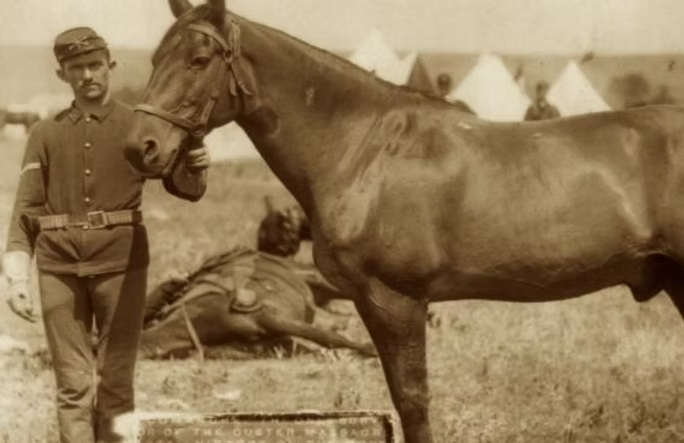
That same year, during a battle with the fearsome Comanche tribe, Captain Keogh’s horse demonstrated great strength and bravery as he continued to let Keogh fight from his back while severely wounded in his hind quarters. Hence, Keogh named him “Comanche”.
Comanche continued to fight in several battles with Captain Keogh and was wounded several more times, but always demonstrated the same resilience and tenacity.
In 1876, during the Battle of Little Bighorn, known as the Battle of Greasy Grass to the Sioux, Cheyenne and other tribe warriors, Colonel Custer sent his troops to battle against the most formidable force they had seen to date.
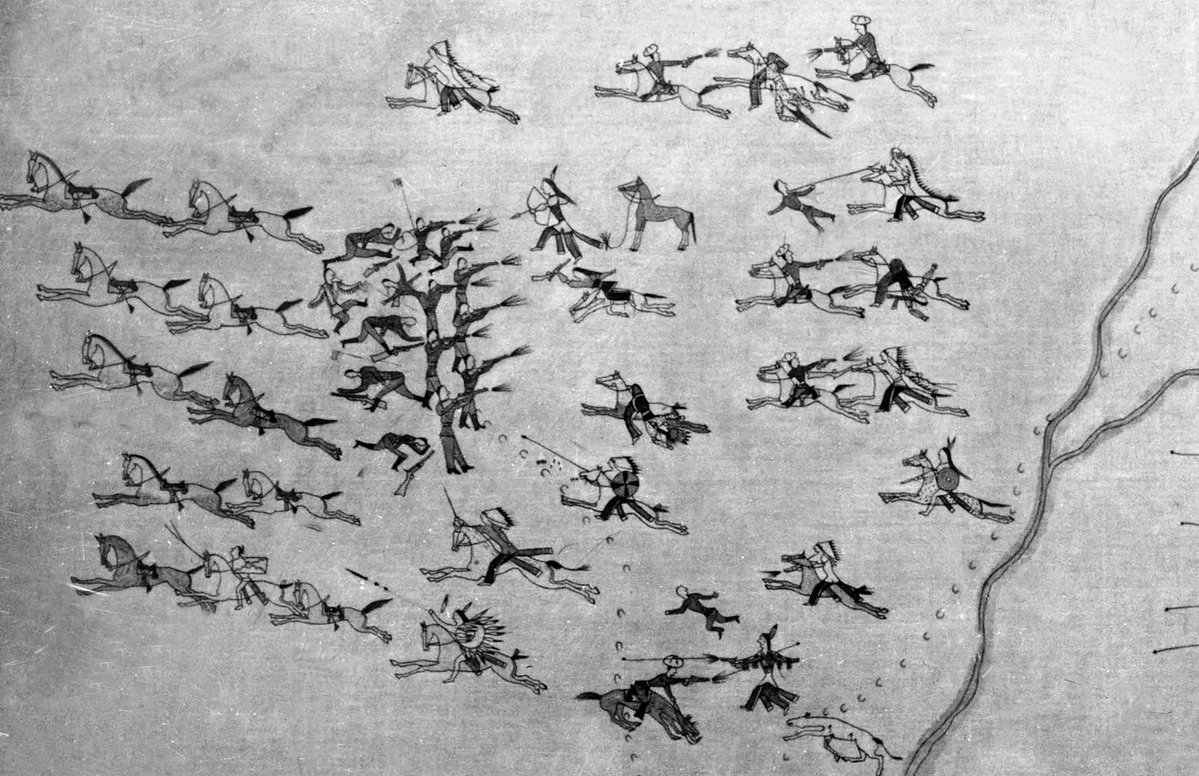
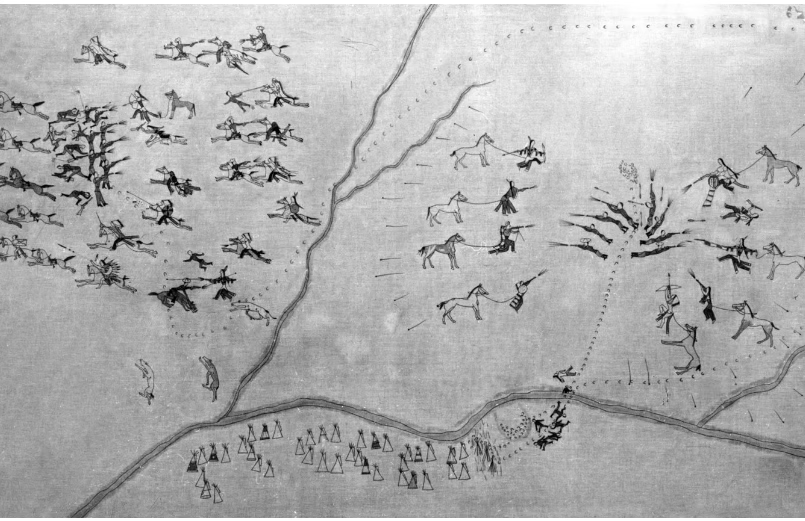
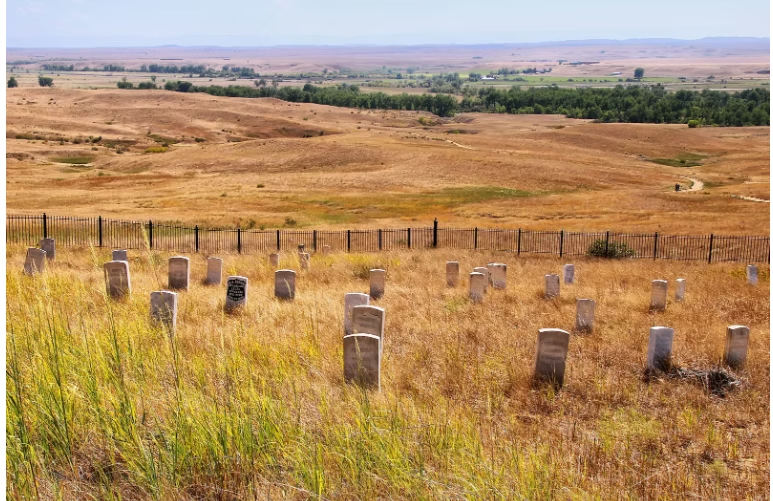
When reinforcements arrived at what is now known as Last Stand Hill, they found a sea of deceased Cavalry - over 200 men and all the horses of the five companies. Comanche was the lone exception. Bloodied and wounded several times, Comanche survived the battle. It is believed that the Native American warriors would have taken any surviving mustangs, but left Comanche as he was so near death - leaving him known as the “only survivor of Little Bighorn”.
Comanche was taken back, cared for, and rehabilitated. He remained with 7th Cavalry for the rest of his life. When he died in 1891, his body was preserved and mounted. Comanche is on display today at the University of Kansas.